SLAJ President Calls on Speaker of Parliament to Rethink Ban on Journalist Melvin Tejan Mansaray

SLAJ President Calls on Speaker of Parliament to Rethink Ban on Journalist Melvin Tejan Mansaray.
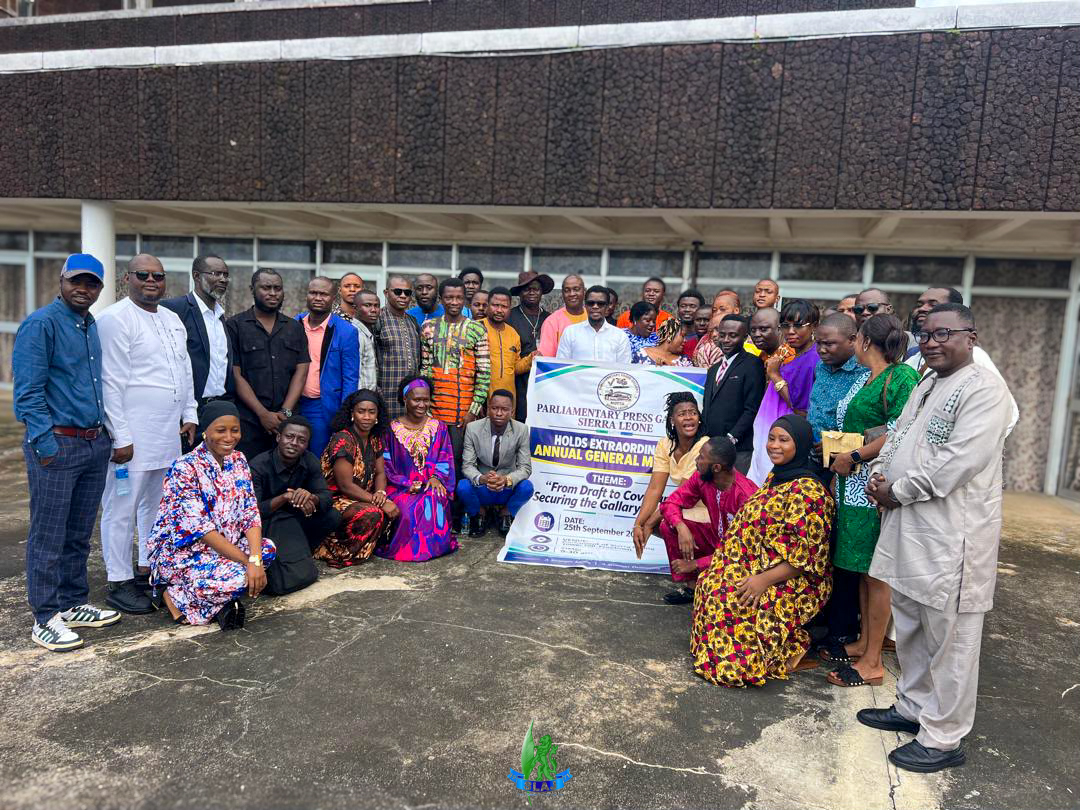
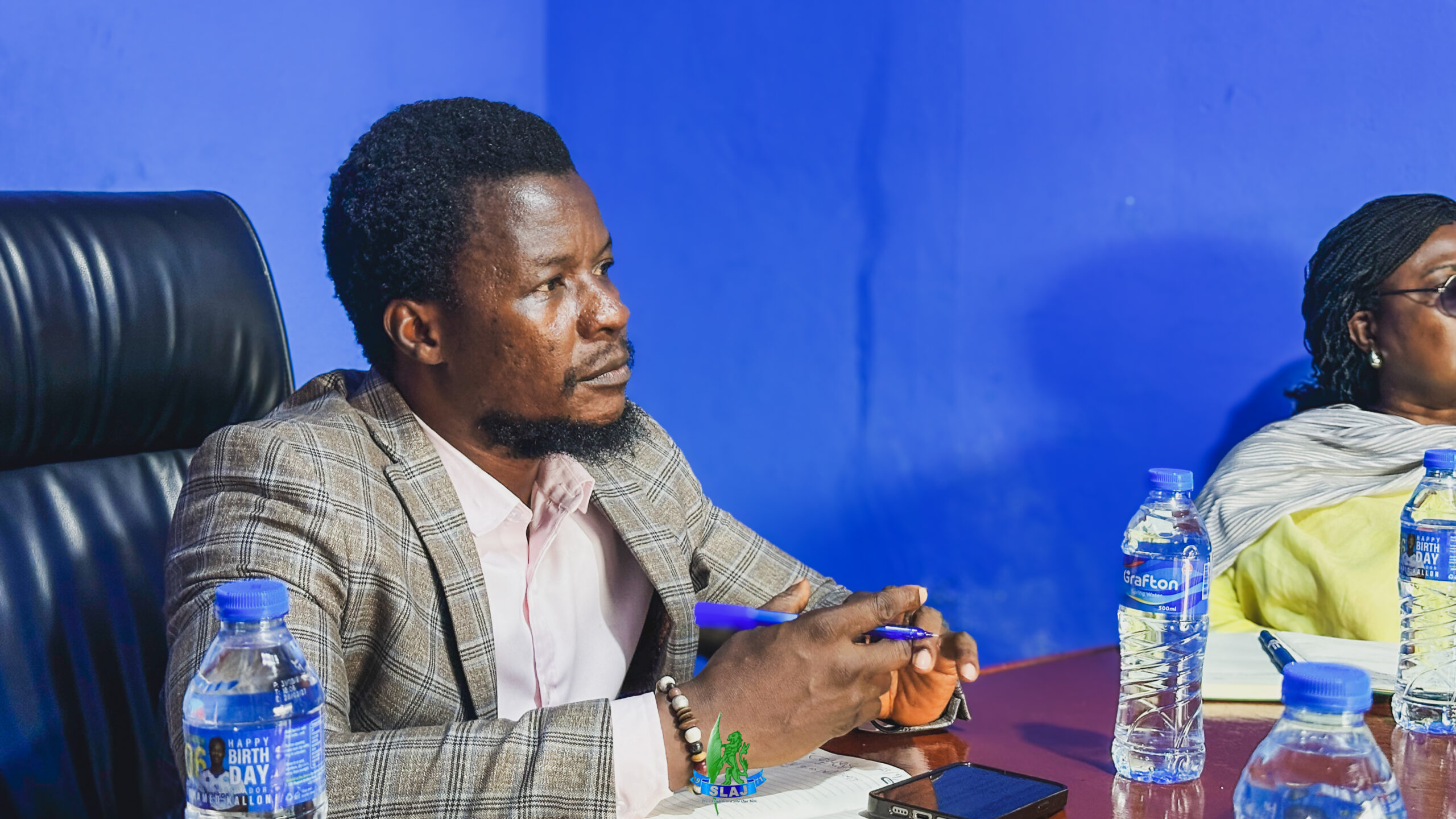
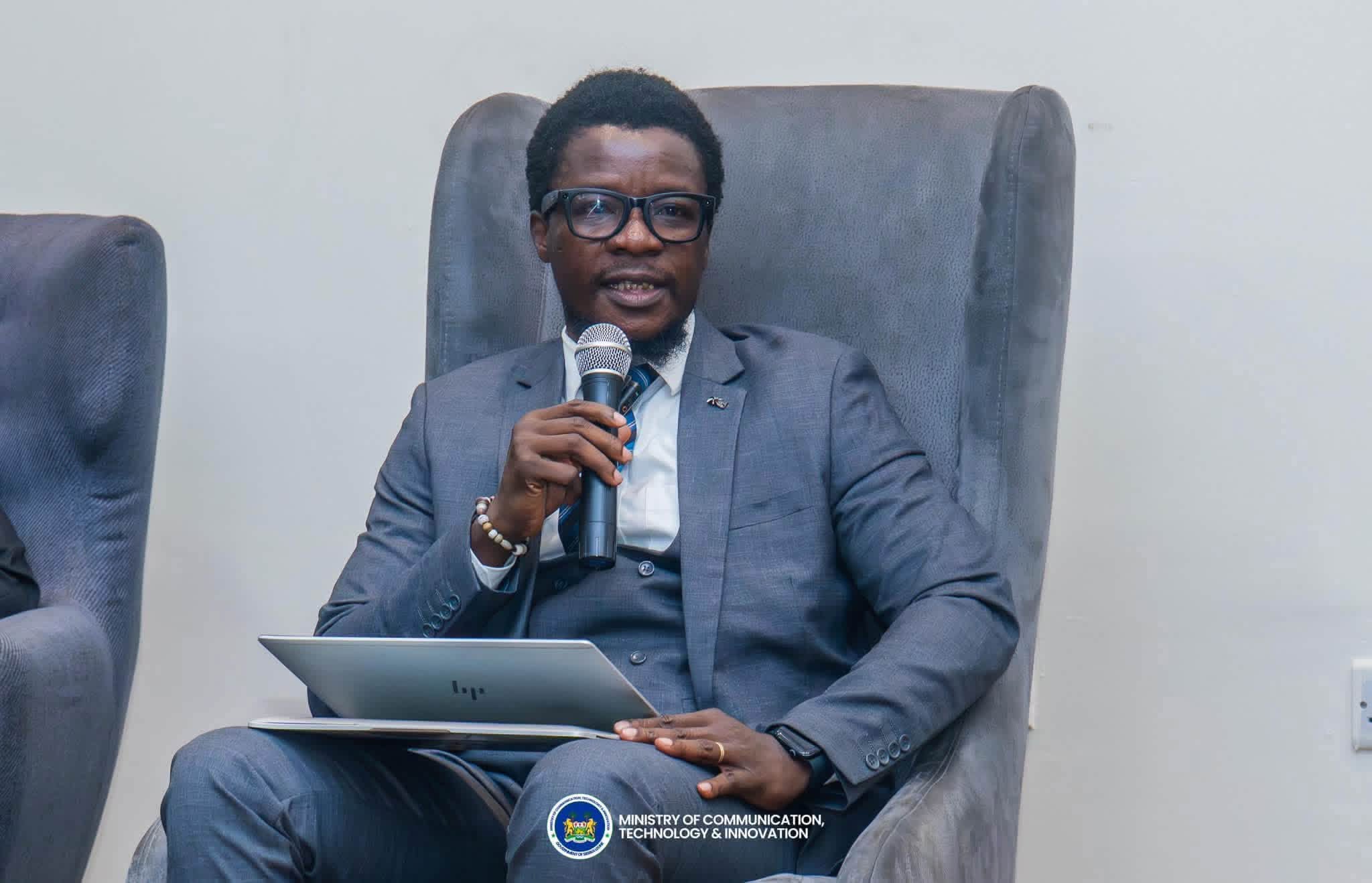
The President of the Sierra Leone Association of Journalists (SLAJ), Alhaji Manika Kamara on Friday, 25th September 2026, called on the Speaker of Parliament, Rt. Hon. Solomon Sengepoh Thomas, to reconsider his decision to bar journalist Melvin Tejan Mansaray from entering the premises of the Parliament of Sierra Leone.
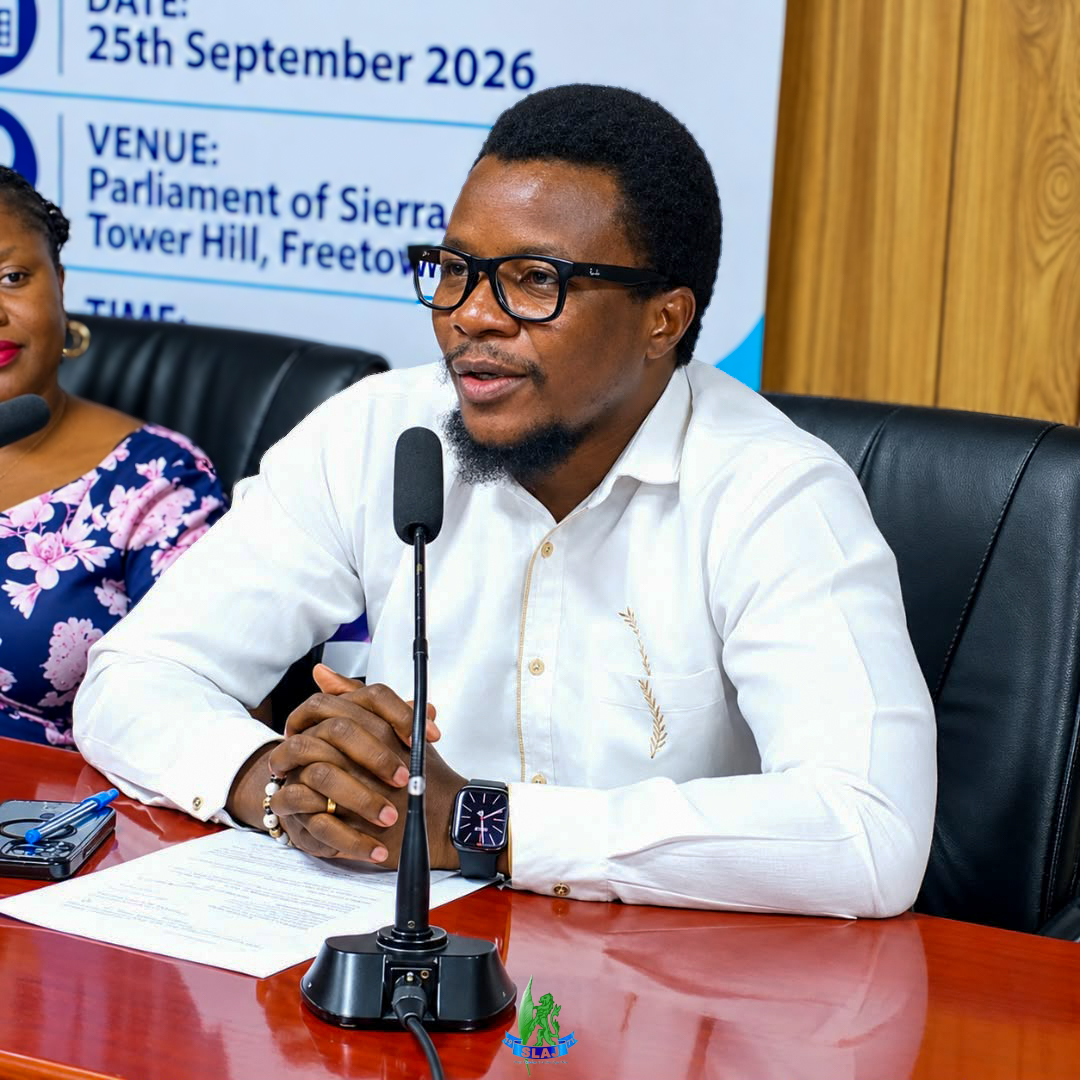
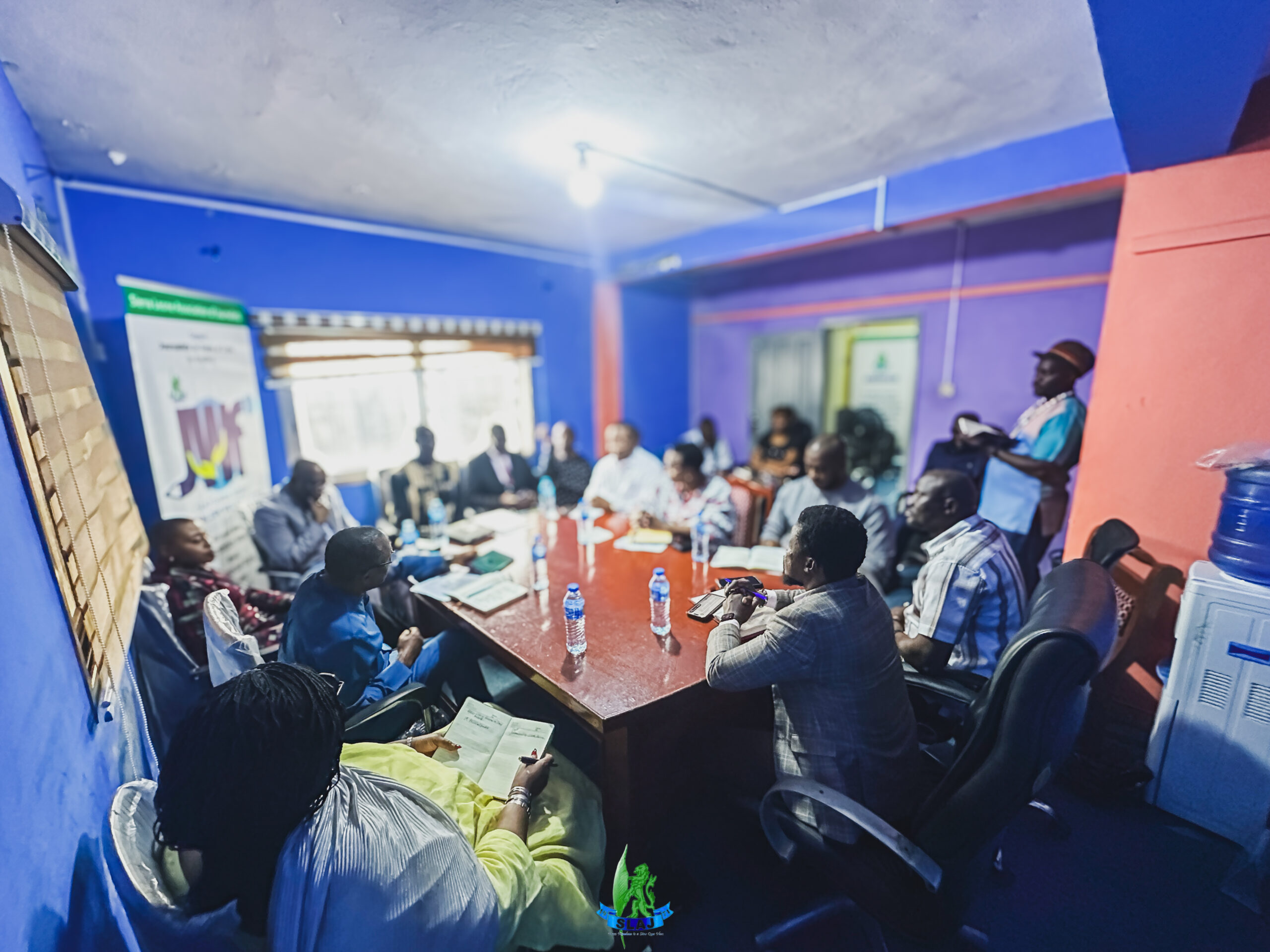
The SLAJ President made the call while addressing members of the Sierra Leone Parliamentary Press Gallery (SLPPG) during their Extraordinary General Meeting, held under the theme: “From Draft to Covenant: Securing the Gallery’s Future.” The meeting was held at Committee Room 1, Parliament Building, on Friday, 25th September 2026.

In his address, President Kamara emphasised that the media is not an extension of Parliament’s Public Relations wing, but an independent institution with a public-interest mandate to inform citizens and hold public institutions accountable through professional journalism.
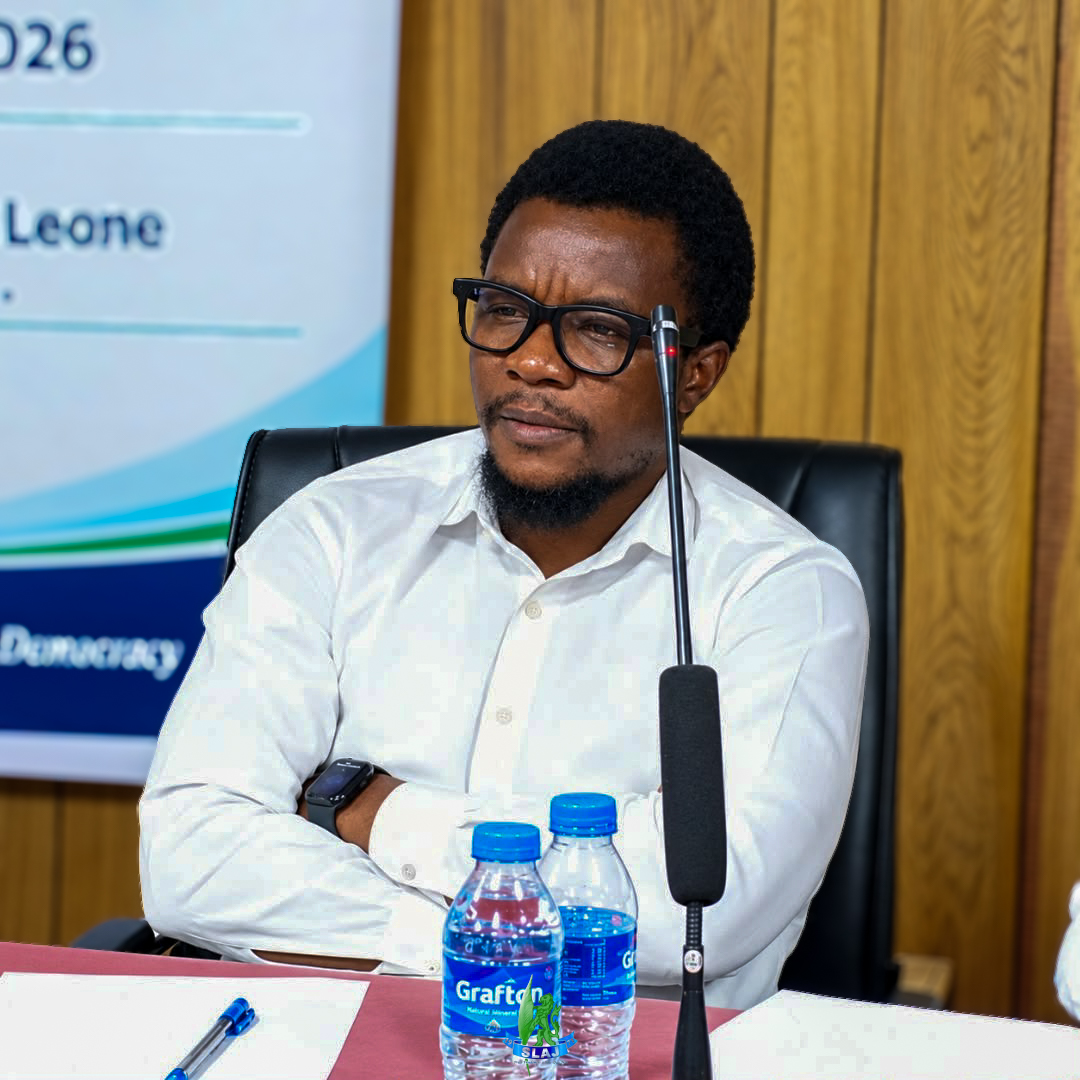
He urged members of the Parliamentary Press Gallery to uphold the highest standards of professionalism, fairness, accuracy and integrity in the discharge of their duties, stressing that journalists must remain committed to serving the public interest.

The SLAJ President further reminded members that, in carrying out their professional responsibilities, journalists do not represent any political party or partisan interest, but serve the people of Sierra Leone.

He reaffirmed SLAJ’s commitment to constructive engagement with Parliament and other public institutions while defending the rights and professional independence of journalists to access information and report in the public interest.
SLAJ Updates ECONEC on Media Preparedness Ahead of the 2028 Elections

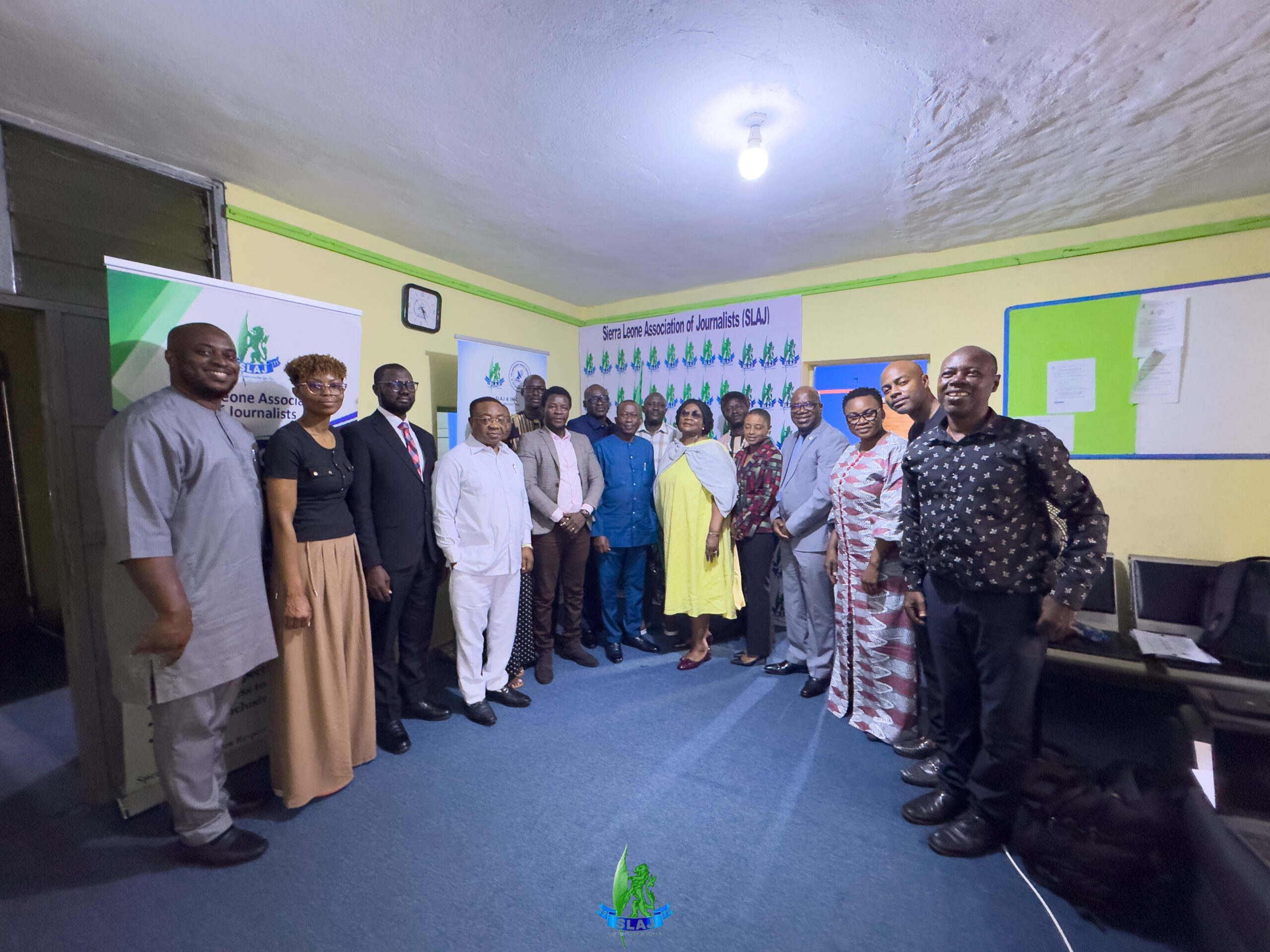
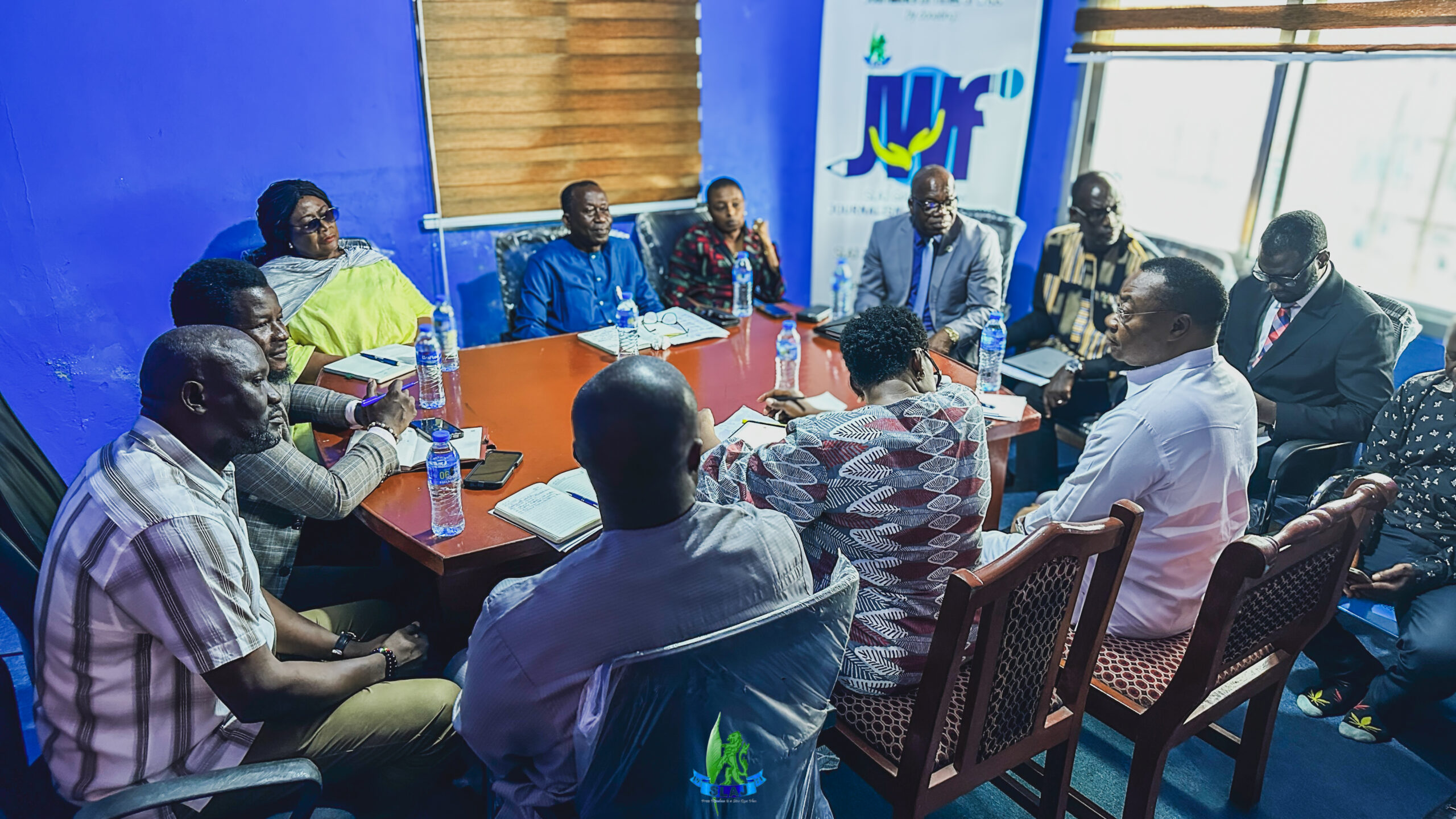
The Sierra Leone Association of Journalists (SLAJ) today met with a delegation from the ECOWAS Network of Electoral Commissions (ECONEC) for a post-election follow-up and needs assessment focused on lessons learned from Sierra Leone’s 2023 elections and preparations for the 2028 elections.

The discussions centered around journalists’ safety; professional and conflict-sensitive election reporting; misinformation and disinformation; media sustainability and independence; voter education; online media regulation; freedom of expression; and access to credible electoral information.

The President of SLAJ, Alhaji Manika Kamara, outlined initiatives to promote responsible journalism, including fact-checking, journalist training, election-related media monitoring, and advocacy for stronger protections for press freedom and freedom of expression.

The ECONEC delegation emphasized the importance of continuous capacity building, rather than interventions limited to election periods, and encouraged SLAJ to develop a detailed concept note identifying the media sector’s needs and areas requiring support ahead of the 2028 elections.

Both parties underscored the important role of a professional, independent, and informed media in supporting peaceful, transparent, and credible electoral processes.

ECOWAS has continued to emphasize stakeholder engagement, the implementation of electoral reforms, and the promotion of peace and stability in its recent assessment work in Sierra Leone.

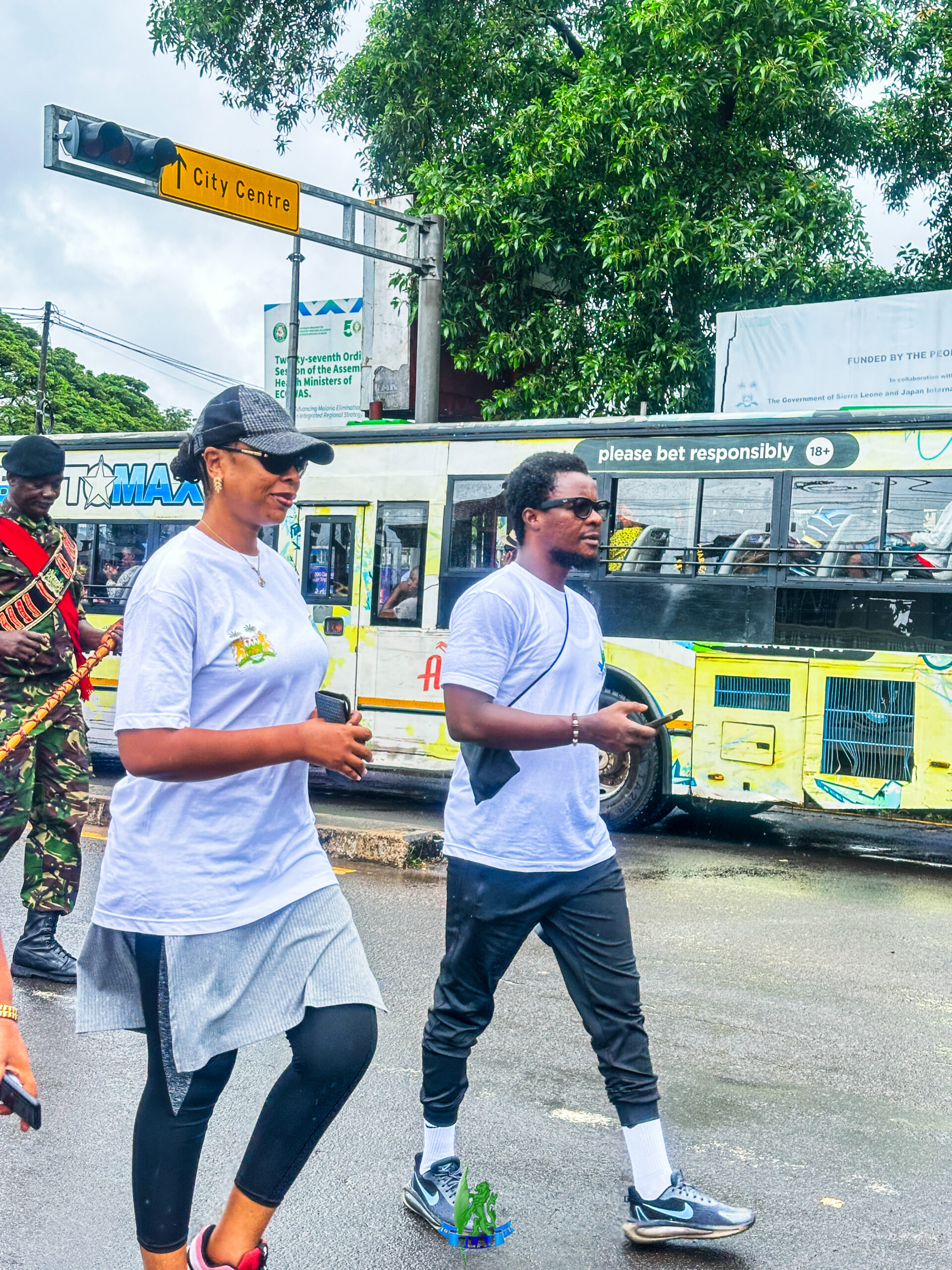
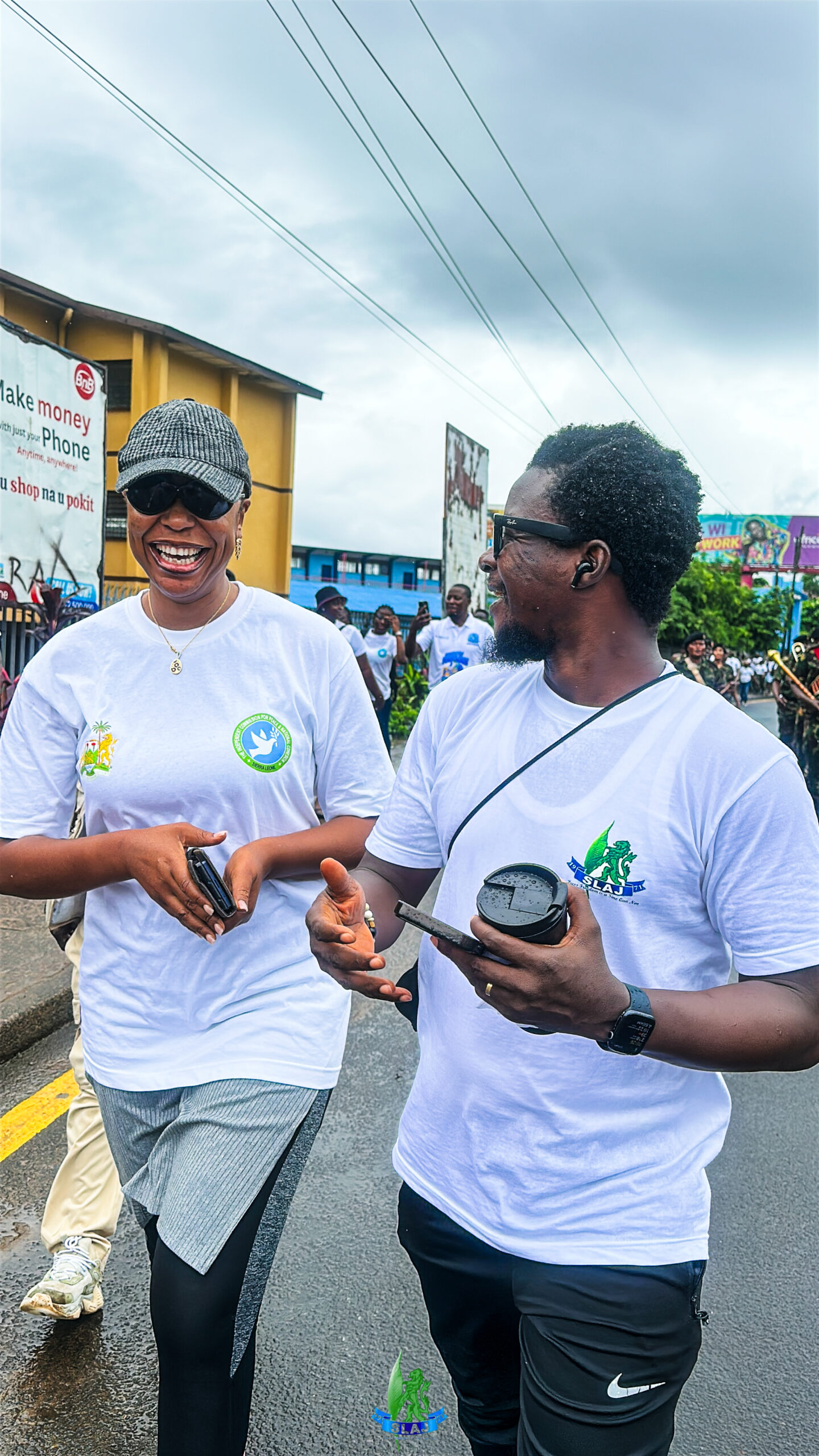
NATIONAL PEACE WALK 2026…

NATIONAL PEACE WALK 19th September 202.


NATIONAL PEACE WALK 2026…

“Peace is everyone’s responsibility, and the media has a vital role in protecting it. As Journalist, we should not allow our platforms to become tools for division.

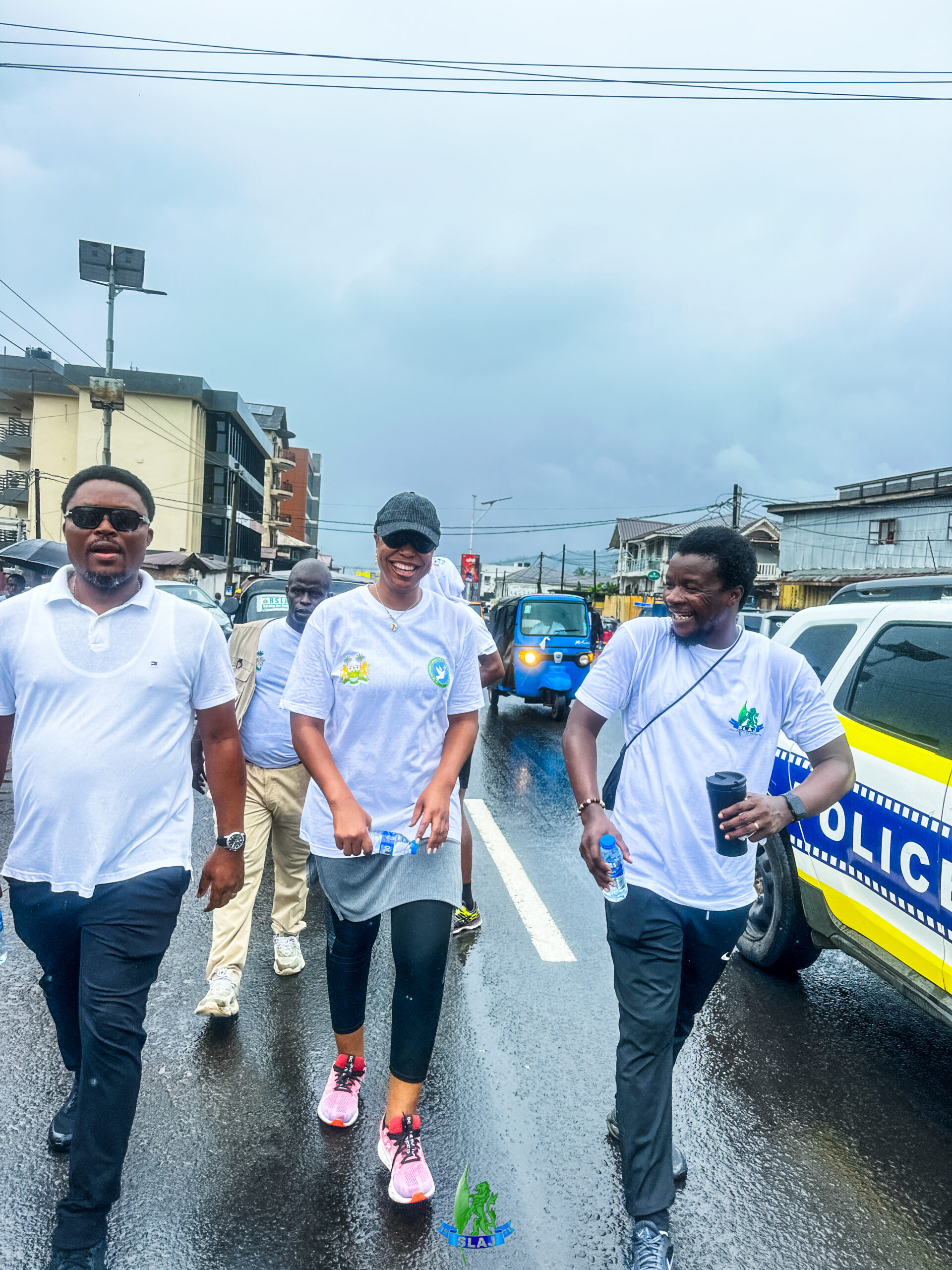
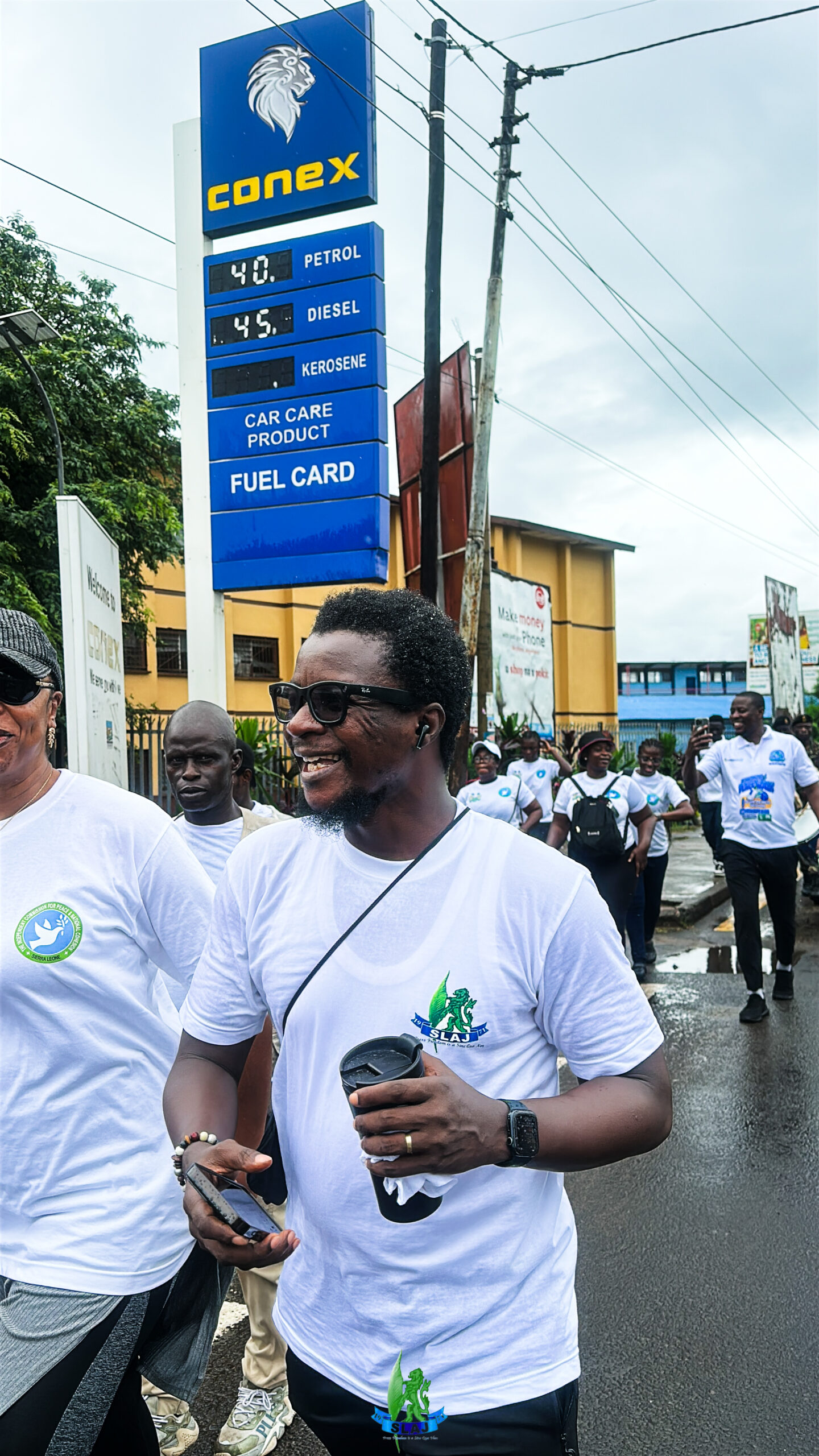
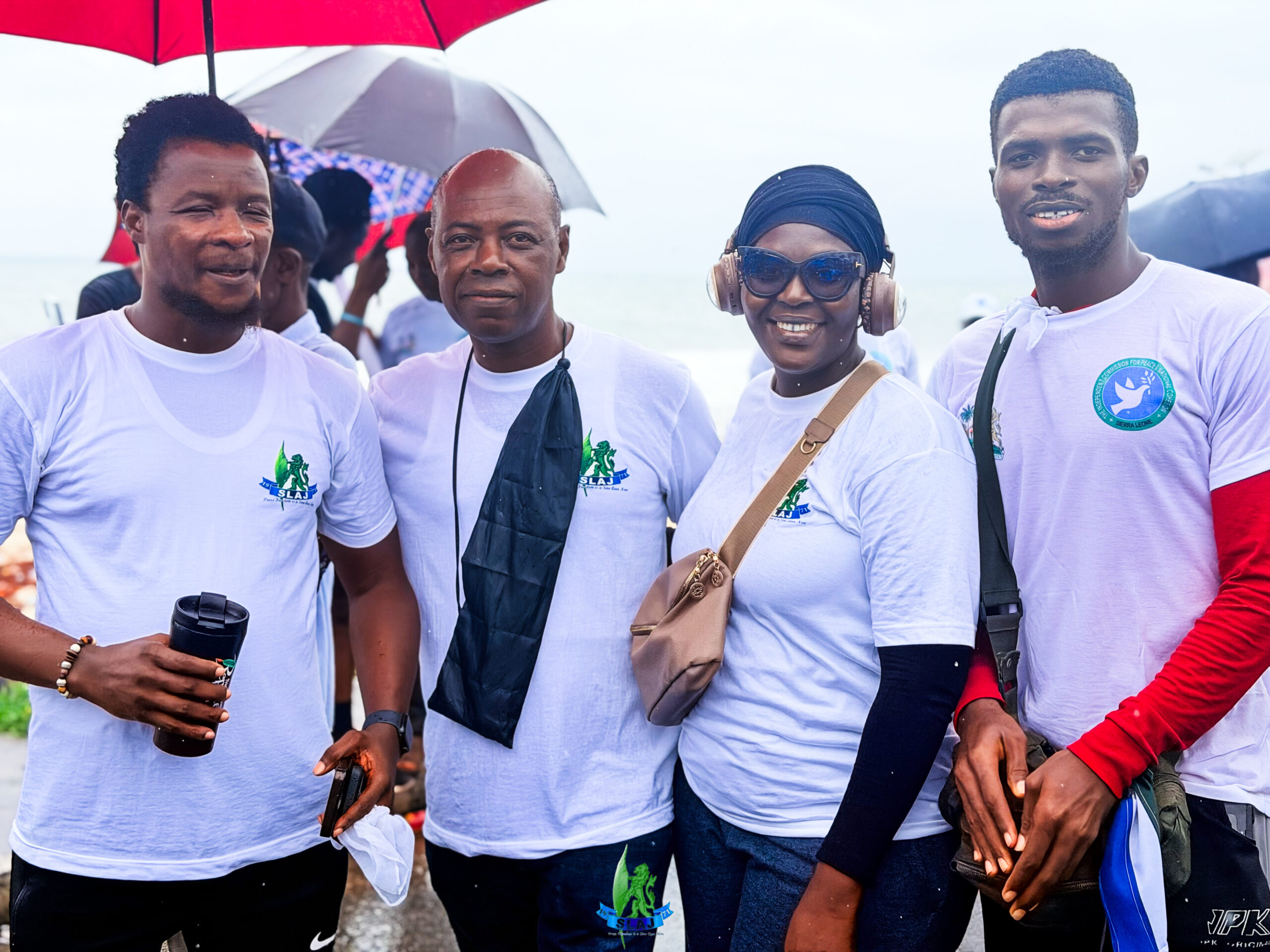
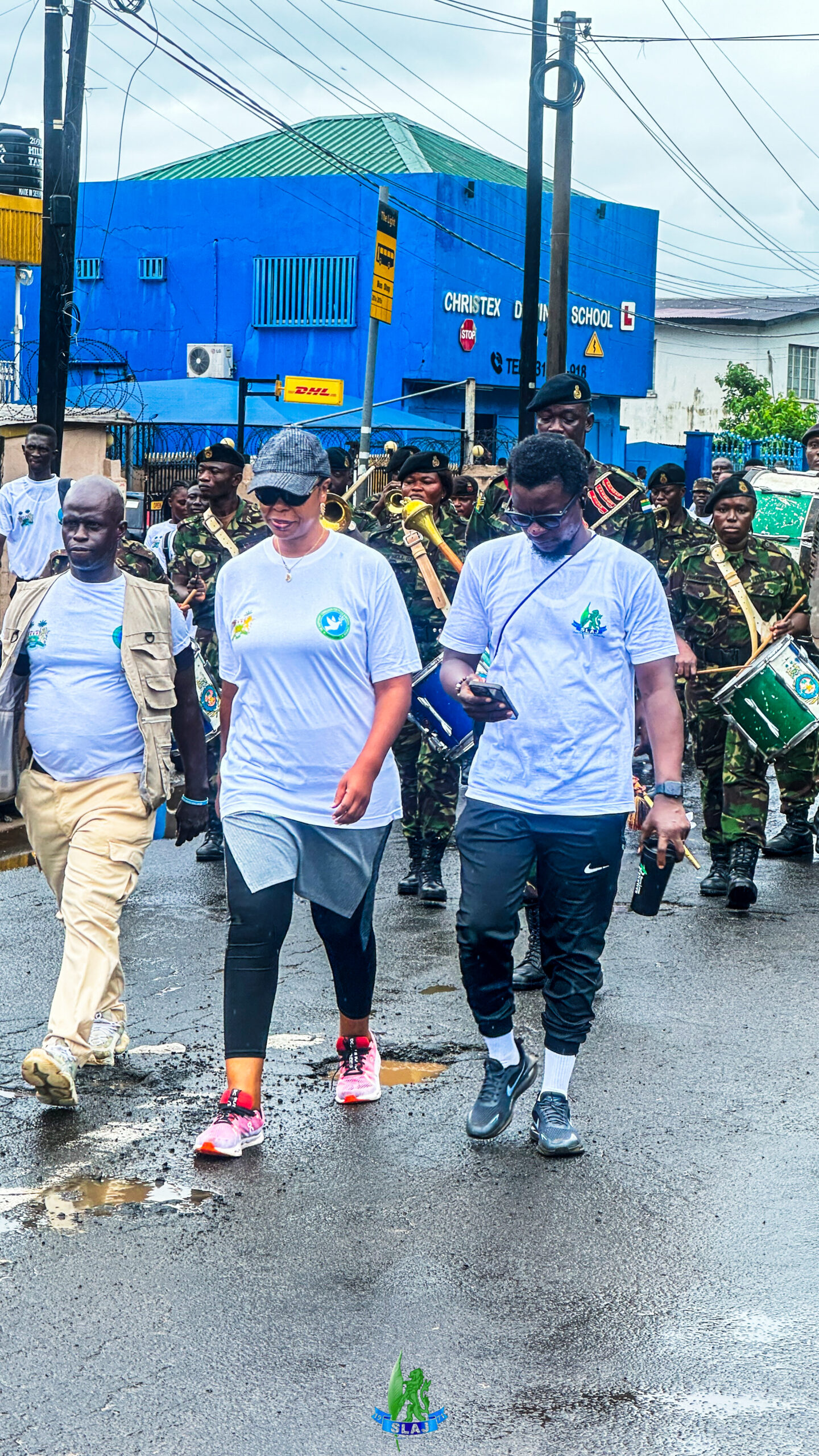
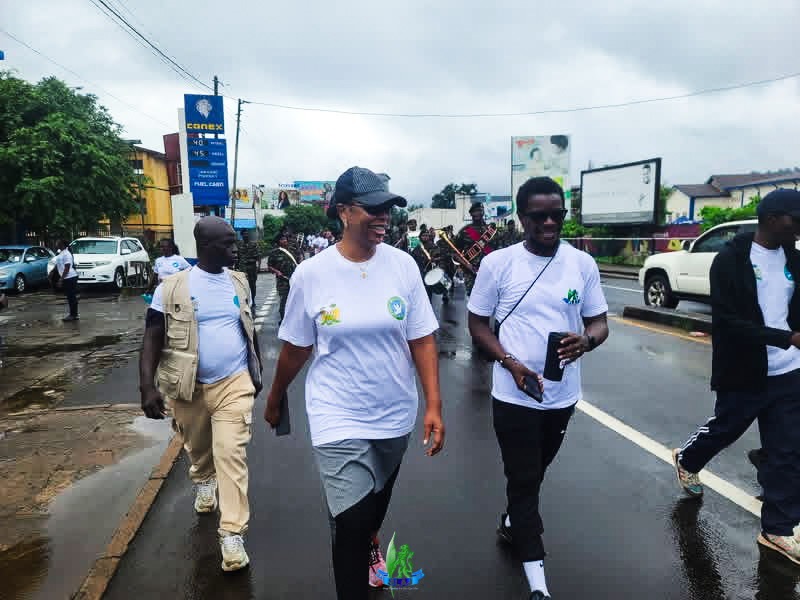
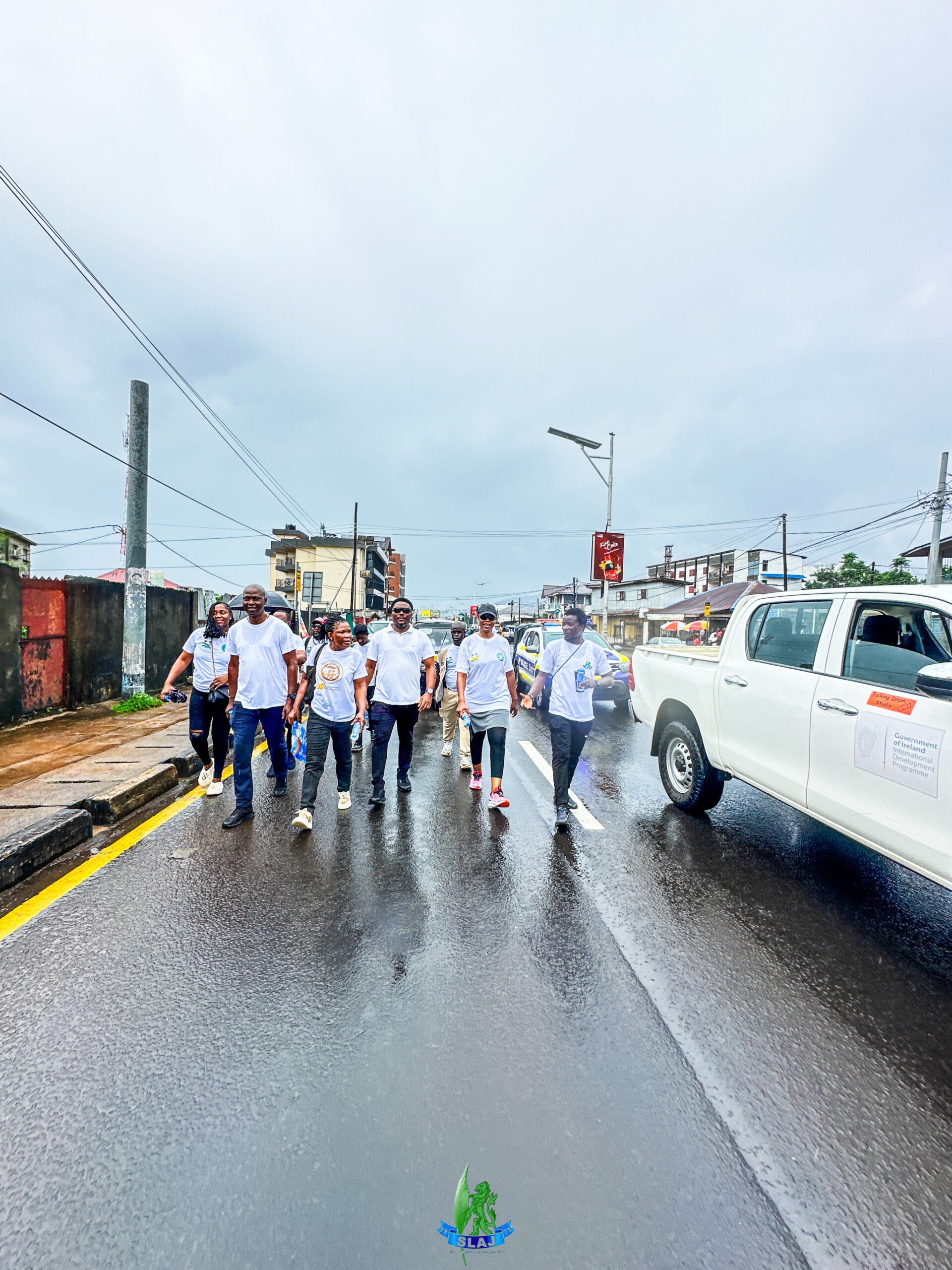
Today Saturday 19th September 2026, Sierra Leone Association Journalists (SLAJ) join the Independent Commission for peace and National Cohesion (ICPNC) Peace Walk from Up Gun to Kallon Car Park at Aberdeen Beach

AI, Misinformation and Sierra Leone’s Information Future

AI, Misinformation and Sierra Leone’s Information Future.

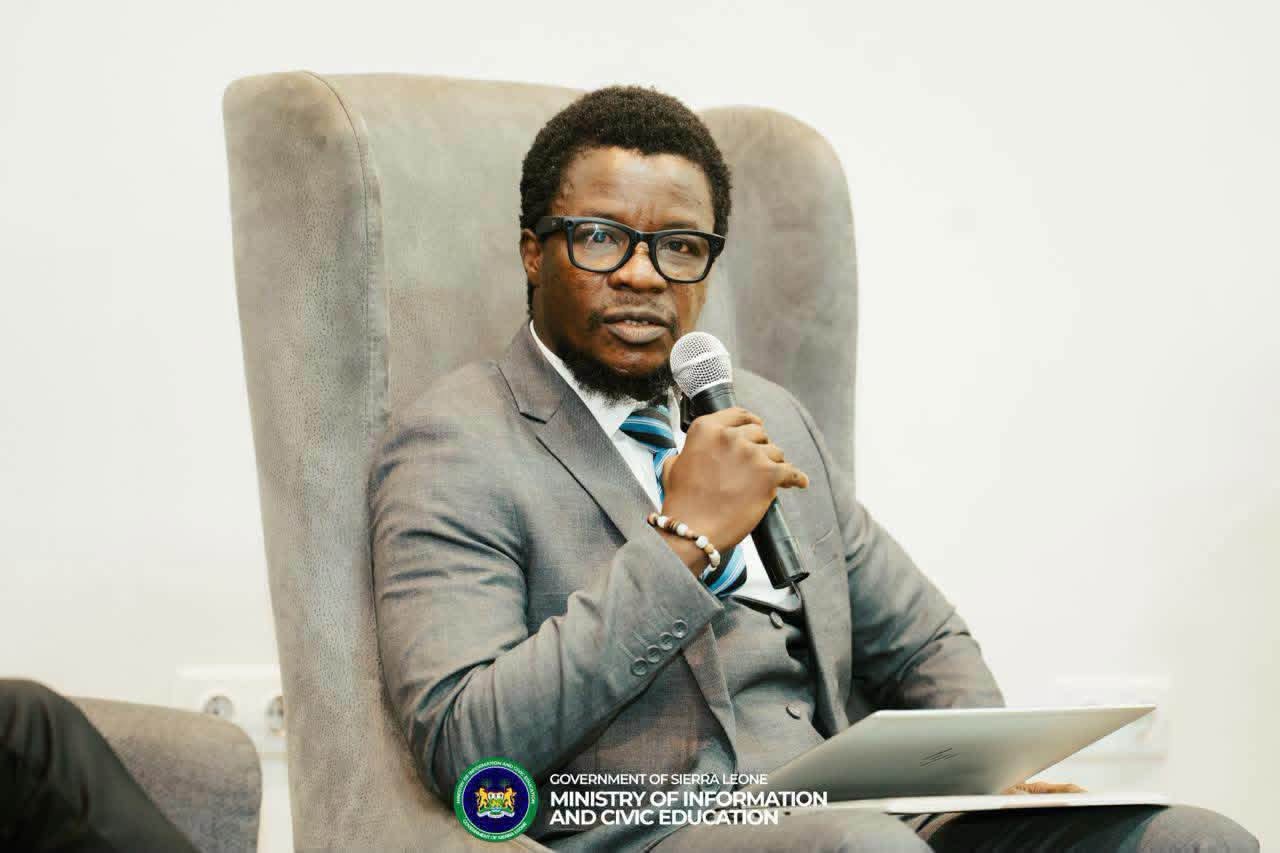
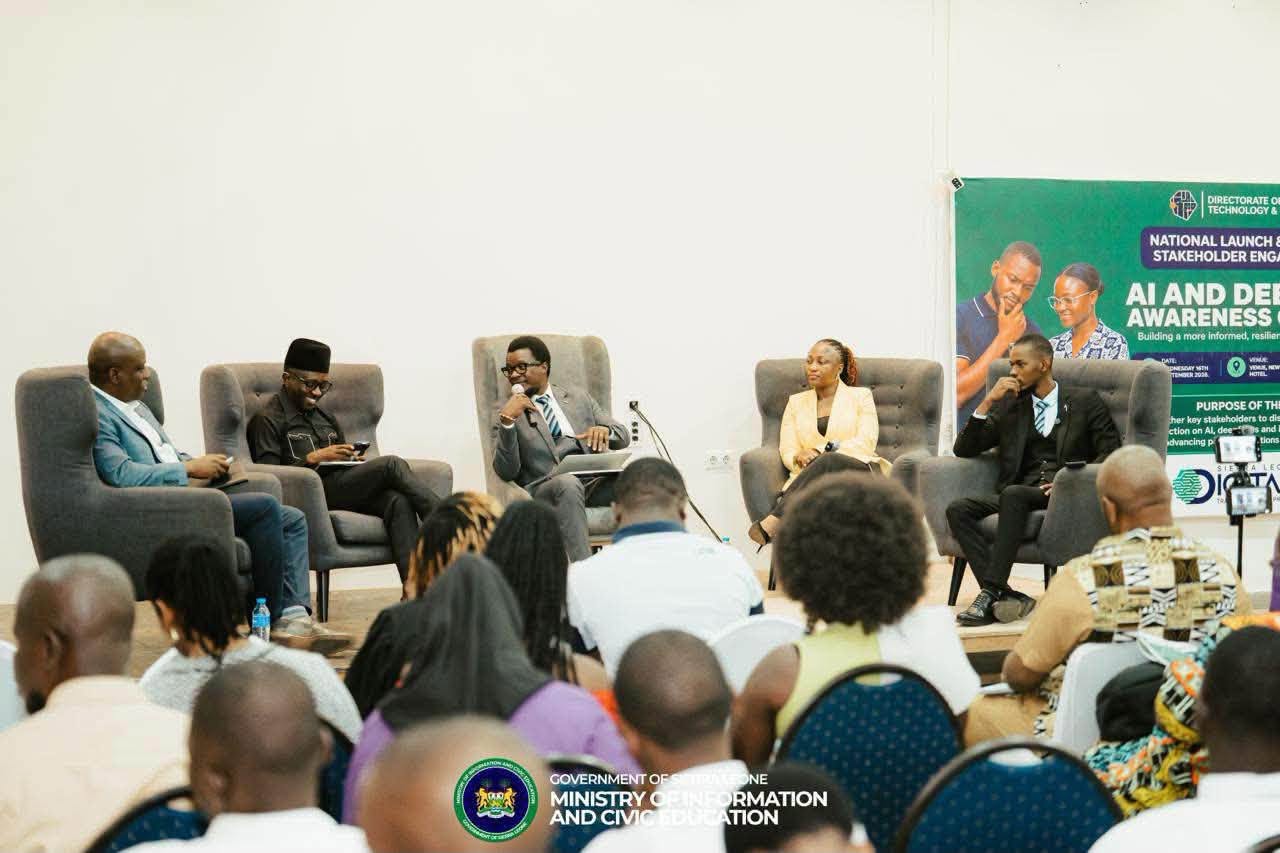
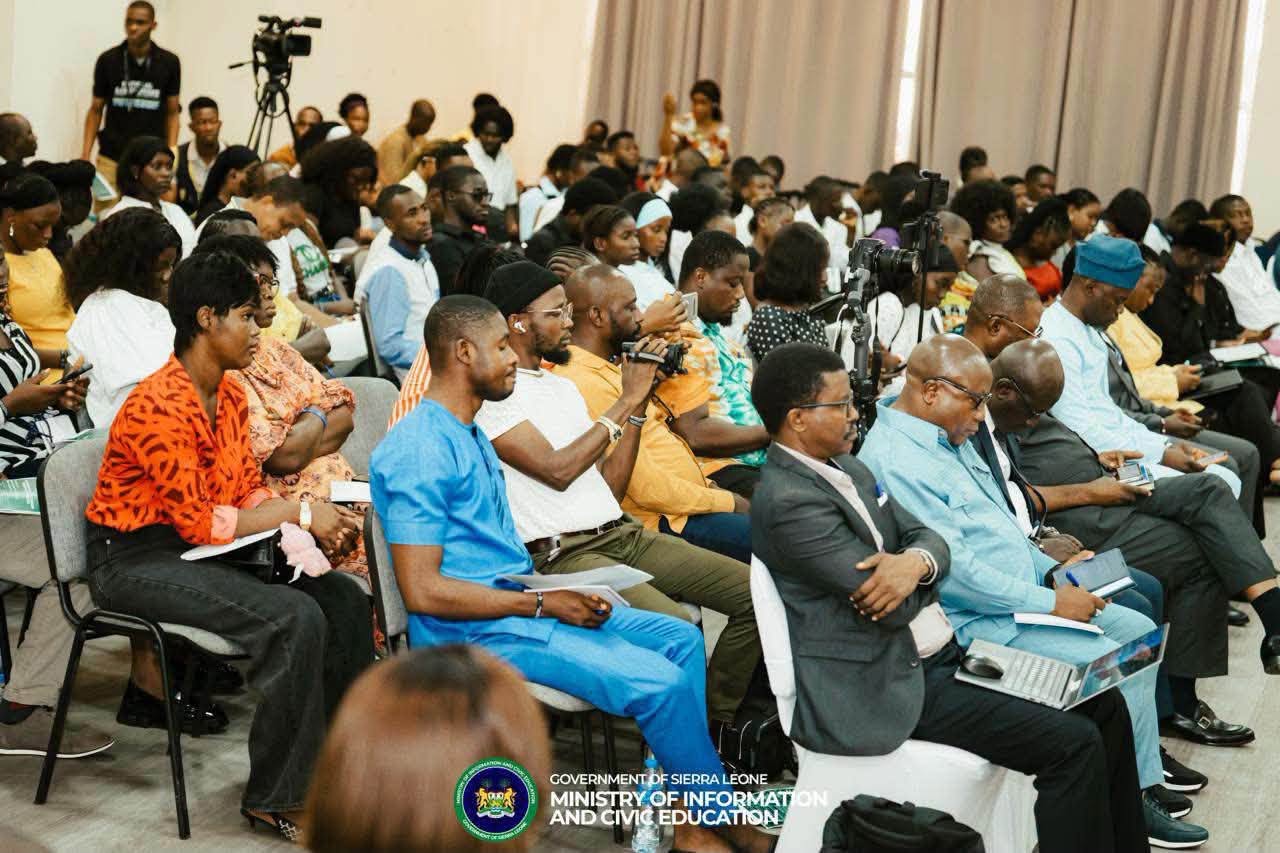
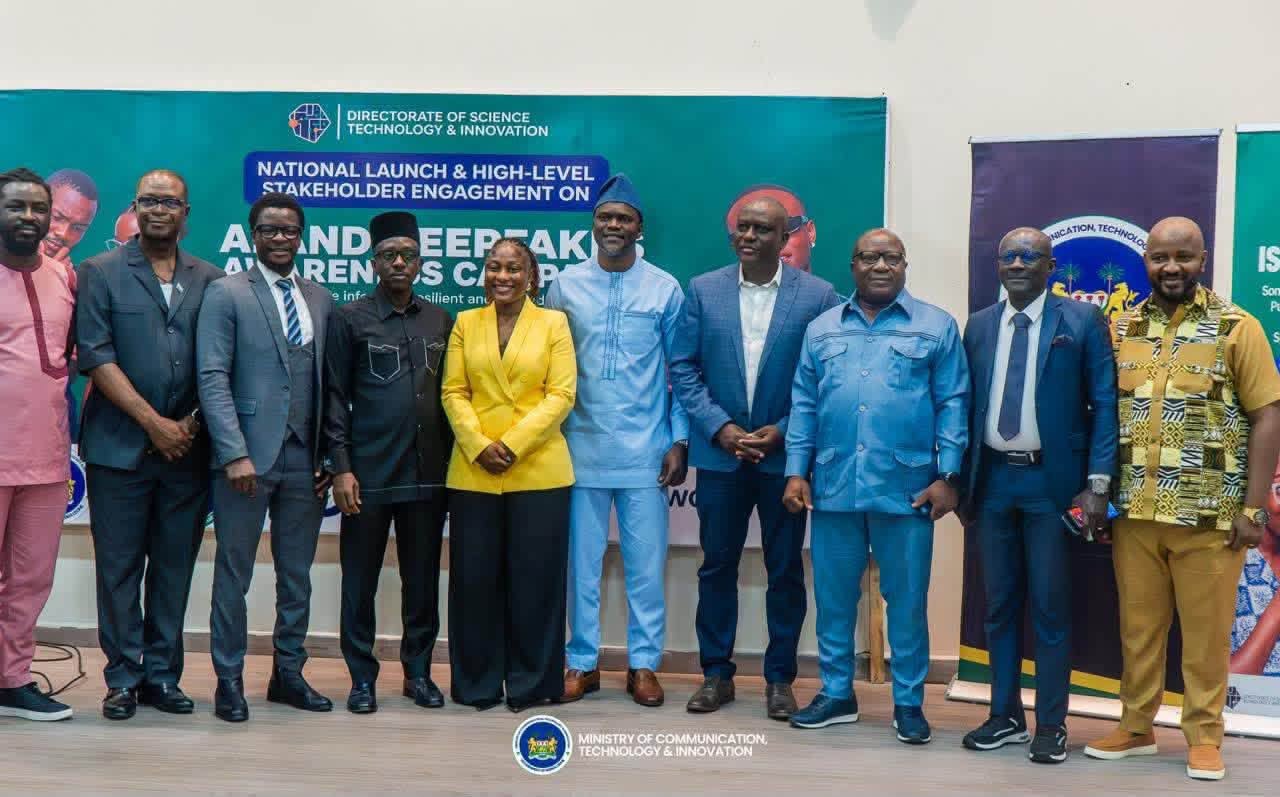
I was honoured to moderate the High-Level Panel Discussion on the theme “AI, Misinformation & Sierra Leone’s Information Future” at the National Dialogue on Artificial Intelligence, Deep Fakes and Information Integrity on Wednesday 16th September 2026 at the New Brookfields Hotel.


The event was organised by the Ministries of Information and Civic Education (MoICE), Communication, Technology and Innovation (MoCTI), and the Directorate of Science, Technology and Innovation (DSTI), in strategic partnership with the National Early Warning and Response Mechanism Centre (NEWRMC.
The conversation underscored a critical reality, as Artificial Intelligence continues to transform the information ecosystem, the responsibility to protect truth, credibility, and public trust becomes even more important.
For us in the media, this means strengthening fact-checking and verification, upholding professional and ethical standards, and ensuring that technology is used to inform and empower, not to mislead the public.
Sierra Leone needs a strong culture of responsible journalism, digital literacy and collective accountability involving government, the media, technology platforms, civil society, content creators and citizens.
SLAJ remains committed to defending press freedom while promoting journalism that is accurate, ethical, responsible and worthy of public trust.
The future of information in Sierra Leone must be built on truth, responsibility and trust.
Photo Credit:
Ministry of Infomation and Civic Education

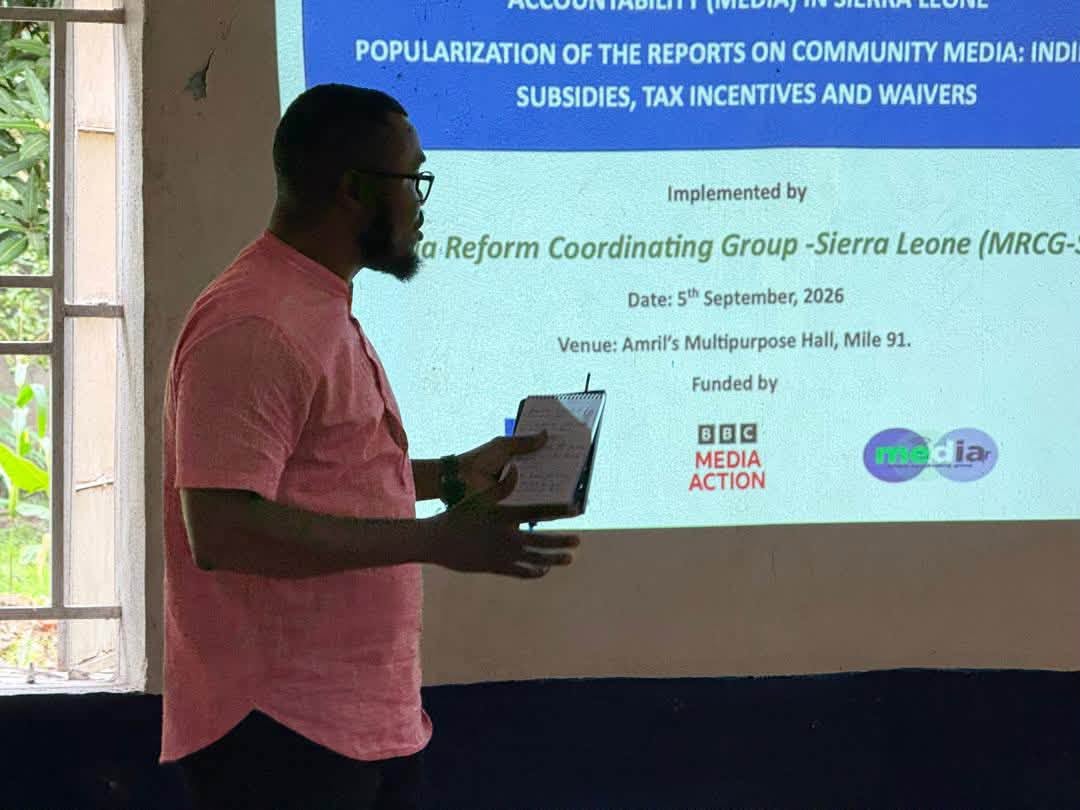
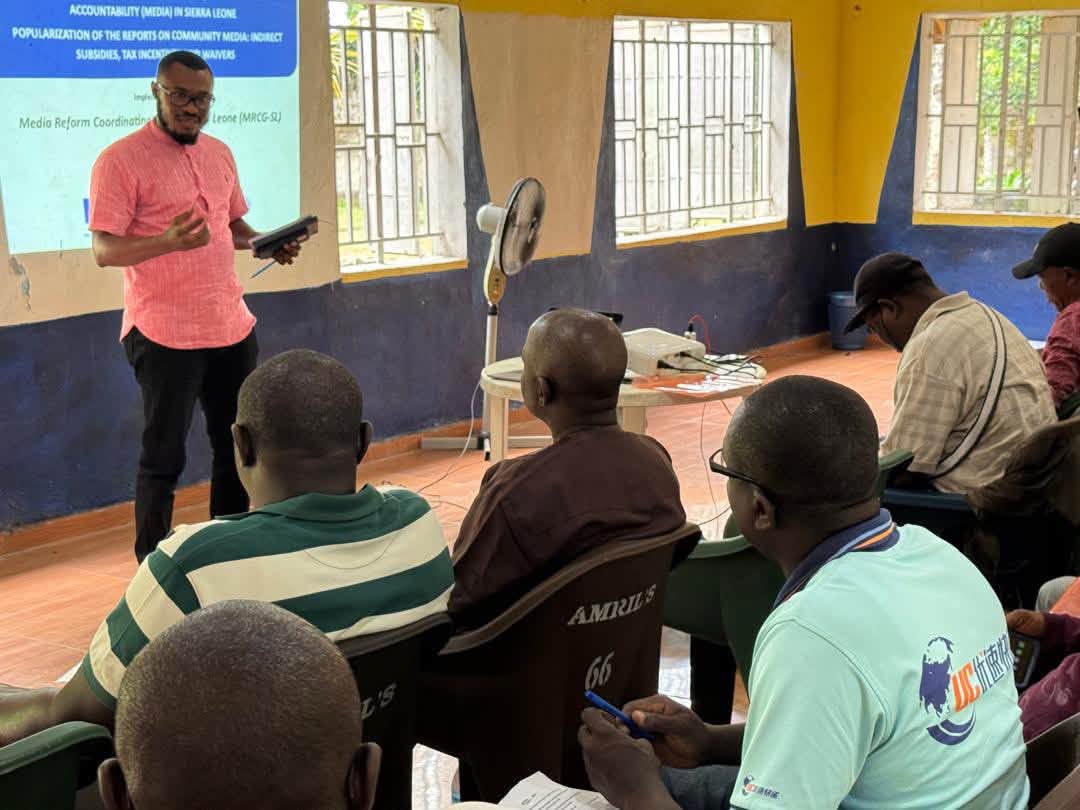
SLAJ VP Urges Community Radio Managers to Turn Research into Action

SLAJ VP Urges Community Radio Managers to Turn Research into Action.

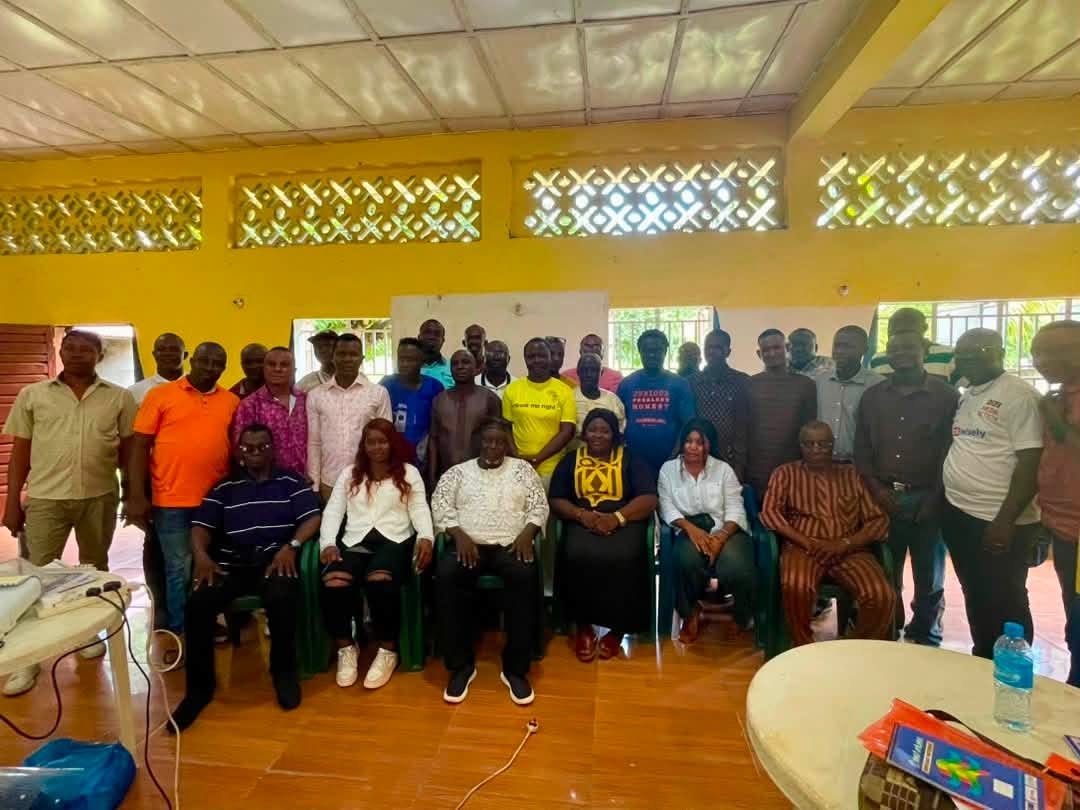
The National Vice President of the Sierra Leone Association of Journalists (SLAJ), Richard Ngevao, has called on community radio managers across Sierra Leone to move beyond advocacy and translate research findings into practical action to strengthen the sustainability of community media.

Mr. Ngevao made the call while urging community radio managers to make effective use of existing research and reports on indirect subsidies, tax incentives, waivers and other support mechanisms available to community media organisations.
He encouraged managers to carefully study these findings, identify opportunities relevant to their stations, and proactively engage government institutions and development partners to access available support.
According to him, the sustainability of community radio goes beyond financial assistance. He stressed the importance of strong governance, regulatory compliance, professional journalism, responsible broadcasting and sound financial management in ensuring the long-term viability of community media.
Mr. Ngevao also supported calls for community radio stations to constitute or reconstitute their Boards of Directors, noting that stations established as community assets must remain accountable to and serve the interests of the communities for which they were established.
He reaffirmed SLAJ’s commitment to promoting a strong, independent, professionally managed and financially sustainable community media sector capable of serving the public interest and empowering citizens, particularly in rural and underserved communities.
The SLAJ National Vice President further called for stronger collaboration among media organisations, regulators, government institutions, development partners and local communities, stressing that the sustainability of community media requires collective responsibility and coordinated action.
He expressed appreciation to the Media Reform Coordinating Group (MRCG), BBC Media Action and the European Union (EU) for their support towards the initiative, noting that such partnerships are critical to strengthening community media and advancing media development in Sierra Leone.
Mr. Ngevao concluded with a strong call to community radio managers and stakeholders:
“Let us move from research to action, from advocacy to implementation, and from challenges to solutions.

SLAJ Engages Stakeholders on Stand-Alone Chapter on Free Speech and Press Freedom

SLAJ Engages Stakeholders on Stand-Alone Chapter on Free Speech and Press Freedom.

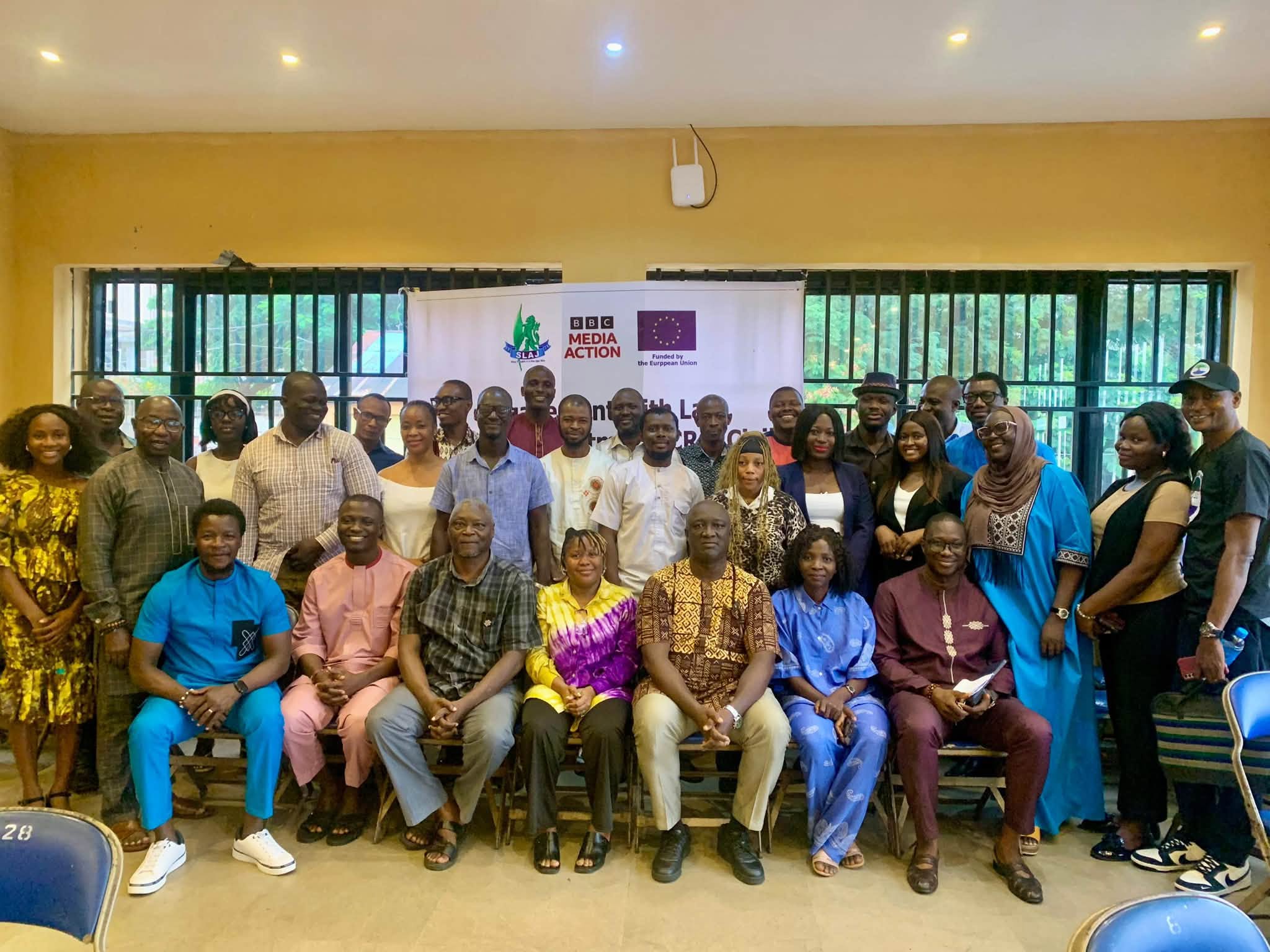
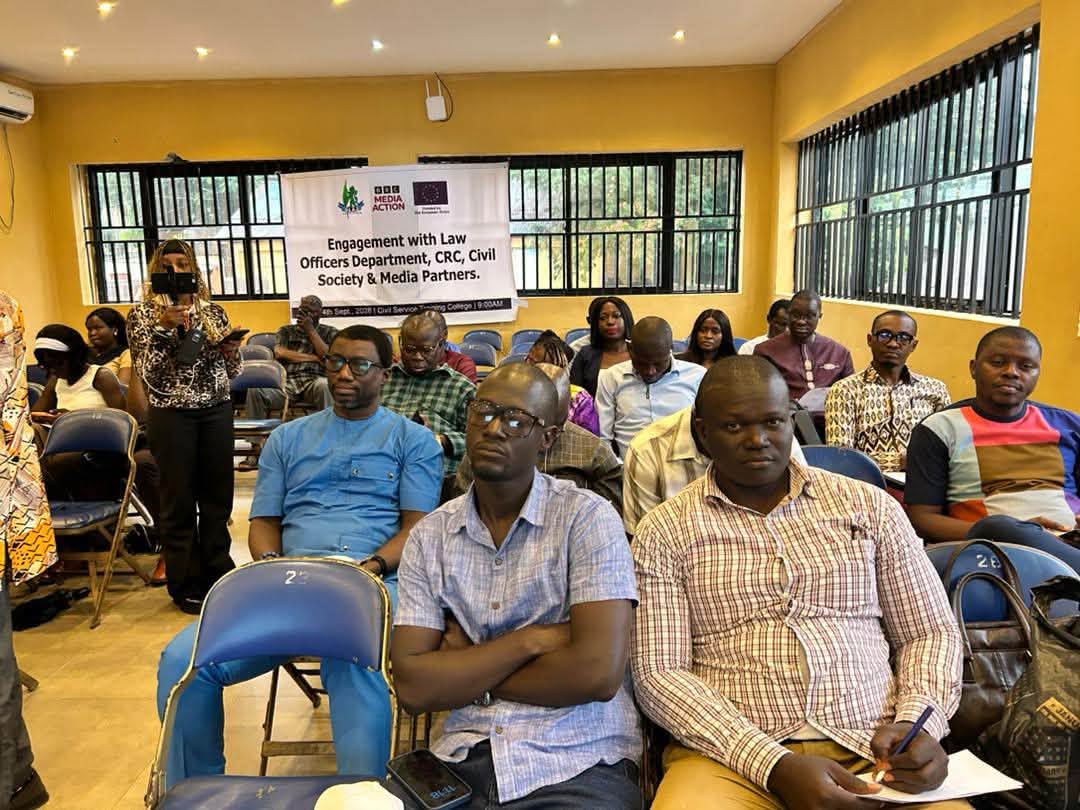
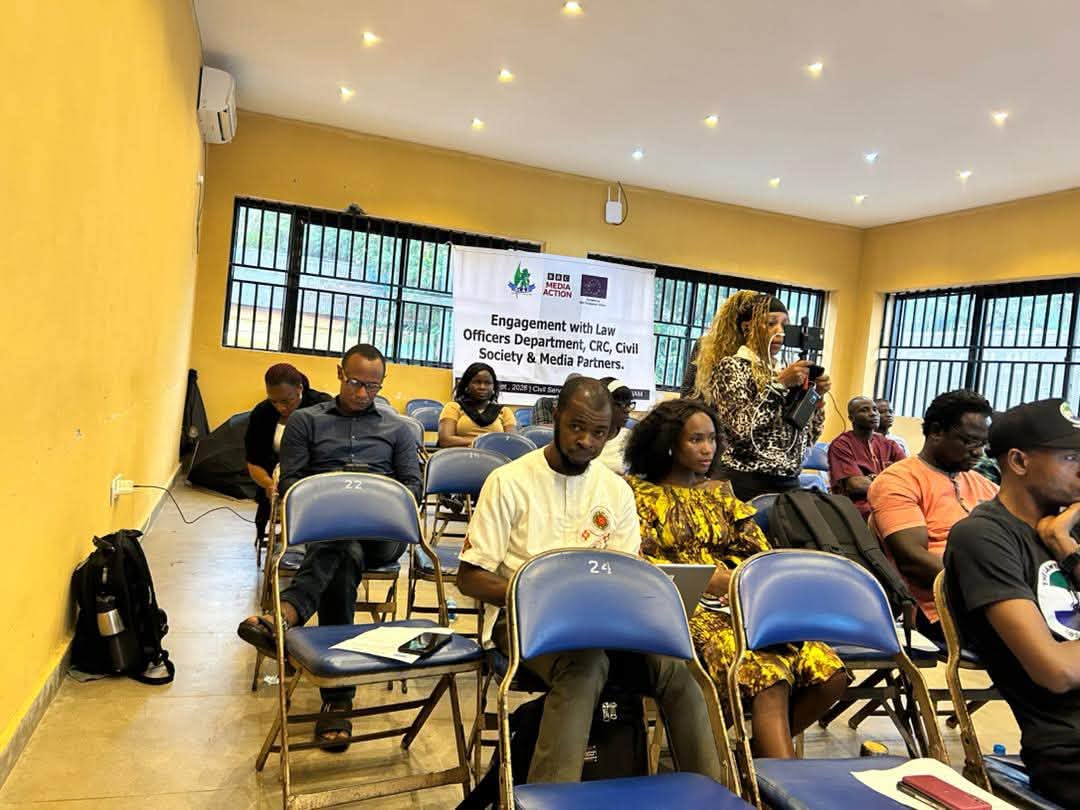
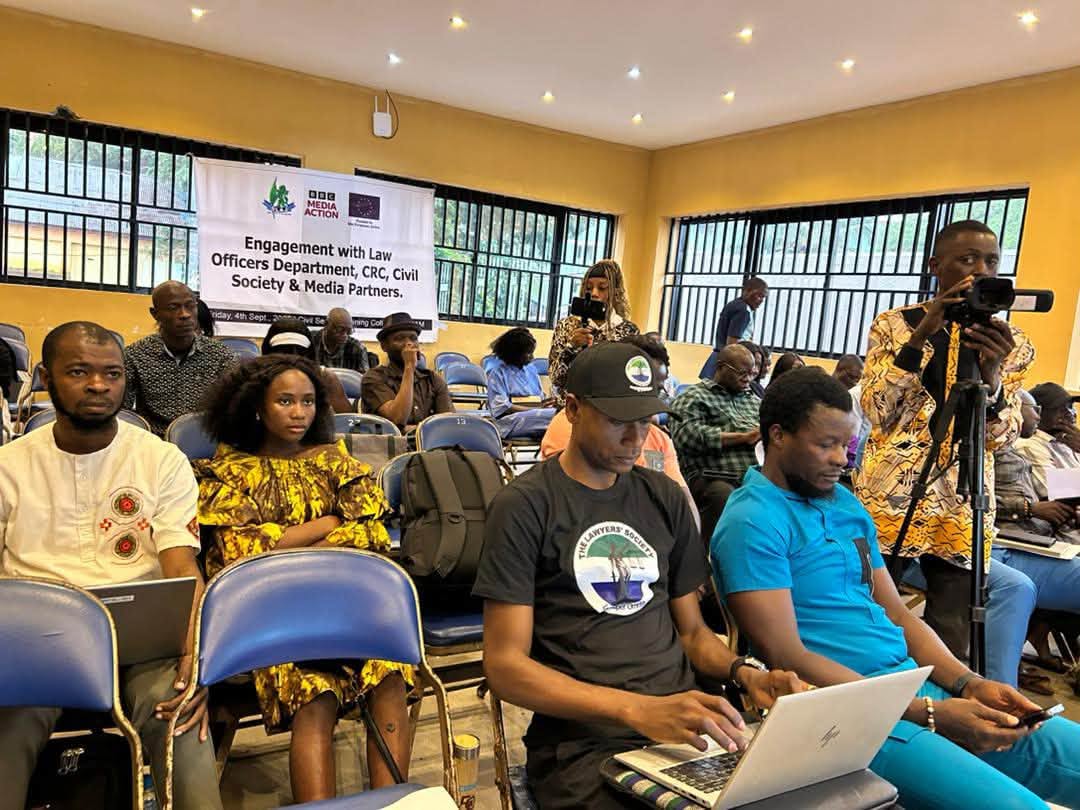
The Sierra Leone Association of Journalists (SLAJ) on Friday, 4 September 2026, engaged key stakeholders on its proposal for a stand-alone chapter on Free Speech and Press Freedom in Sierra Leone’s new Constitution.
The engagement, held at the Civil Service Training College on State Avenue in Freetown, brought together representatives of the Law Officers’ Department, human rights activists, civil society organisations, the Inter-Religious Council, the Children’s Forum Network, women’s organisations and media stakeholders.
Before lawyer Paul Kamara’s presentation on the proposed chapter, SLAJ President Alhaji Manika Kamara stressed the need for stronger and more explicit constitutional protection for free speech and press freedom.
“The stand-alone chapter is not just for journalists but for the citizens of Sierra Leone. It guarantees the right to express oneself freely within the bounds of the law and protects the media’s independence from undue interference,” he said President Kamara said the proposal was consistent with the recommendations of the Justice Cowan Constitutional Review Committee, which recommended that media rights be separately enshrined in the Constitution rather than subsumed under general provisions.
The Cowan Report recommended that media rights and free speech be given their rightful place in the Constitution—a clear, dedicated chapter that leaves no room for ambiguity,” he added.
While Sections 11 and 25 of the 1991 Constitution provide guarantees for freedom of expression and the press, President Kamara pointed to limitations in the existing provisions. He argued that a stand-alone chapter would provide clearer and stronger constitutional protection for free speech and press freedom.
He cited Ghana and South Africa as examples of countries whose constitutions provide stronger protections for freedom of expression and the media, urging Sierra Leone to draw lessons from their experiences.
Lawyer Paul Kamara delivered a detailed presentation on the conceptual framework of press freedom and free speech, outlining key recommendations for the proposed stand-alone chapter.
He emphasised the importance of constitutional protection, noting that “a constitutional guarantee is the strongest form of protection for media independence and citizens’ rights to free expression.”
The lead facilitator, Dr. Isaac Massaquoi, who represented SLAJ on the Justice Cowan Constitutional Review Committee, expressed appreciation to successive SLAJ leaderships for entrusting him with the responsibility of representing the Association in the constitutional review process.
Dr. Massaquoi welcomed the progress made so far but cautioned that “this is work in progress.” He encouraged the current SLAJ leadership to sustain engagement with relevant stakeholders to help move the process towards completion.
Stakeholders also made a number of observations and recommendations aimed at strengthening the proposed chapter and ensuring that the process remains inclusive and comprehensive.
Dr. Francis Sowa, Esq., National Coordinator of the Media Reform Coordinating Group (MRCG), argued that regulatory institutions such as the Independent Media Commission (IMC) should be entrenched in the Constitution rather than established solely through legislation.
“The IMC must be part of the Constitution to ensure its independence and protect media practitioners,” he said.
Charles Israel Williams, Esq., suggested that SLAJ should consider developing a Media Practitioners’ Act, similar to the Legal Practitioners’ Act governing lawyers. He said such legislation could codify professional ethics and standards for the media profession while strengthening professionalism and accountability.
The stakeholder engagement forms part of SLAJ’s ongoing advocacy under the MEDIA Project, supported by the European Union (EU) through BBC Media Action, to advance the campaign for a stand-alone chapter on Free Speech and Press Freedom in Sierra Leone’s new Constitution